Sports Massage in Fort Collins.
Targeted stretching, trigger-point work, and recovery work built around what your sport actually loads. For CSU athletes, cyclists, trail runners — anyone training the same patterns over and over.
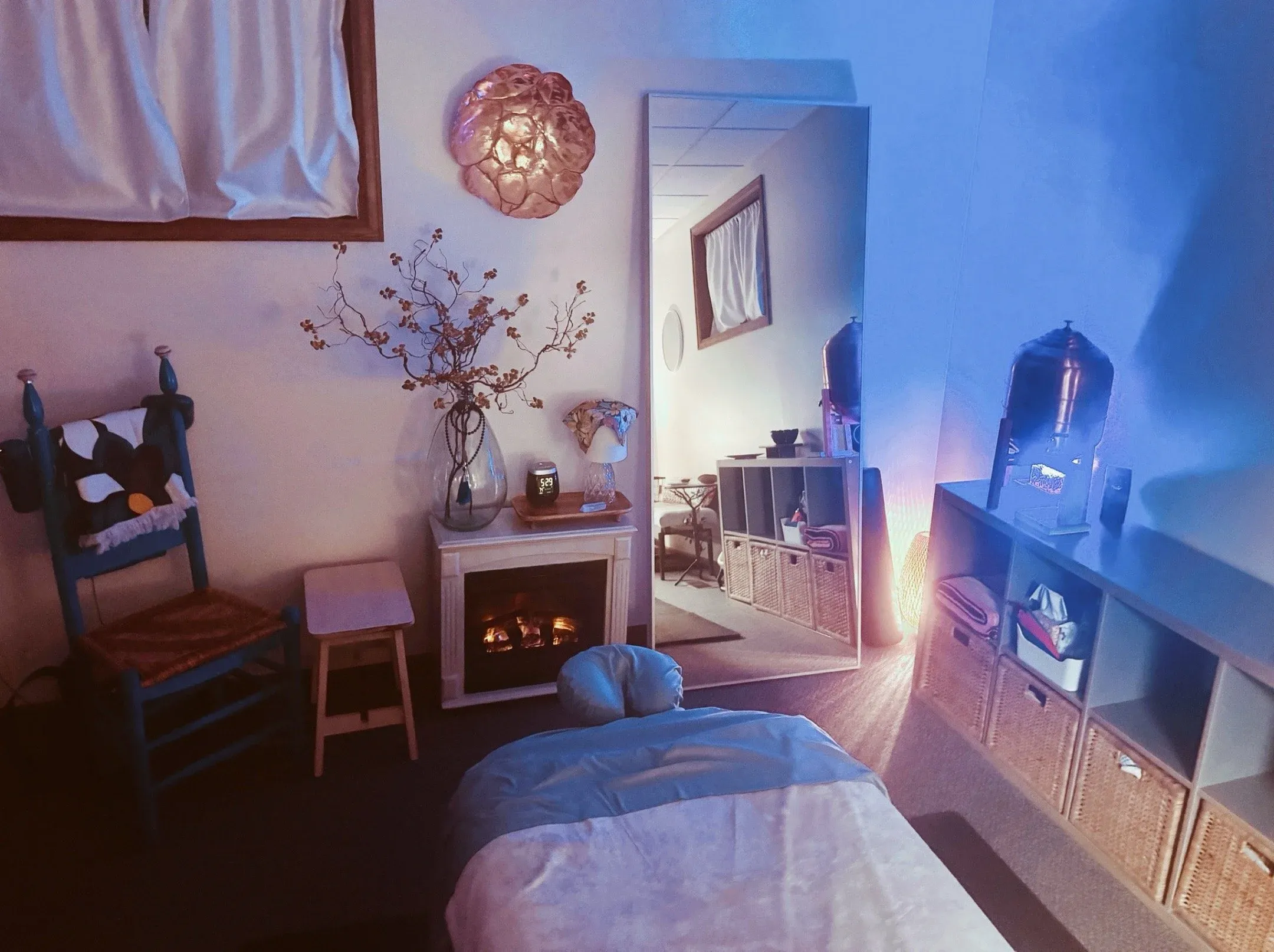
Built around what your sport actually demands of you.
Sports massage isn't one technique - it's an approach that changes based on what you train, when you train, and what's locked up after.
For CSU athletes mid-season, that often means PNF stretching and targeted trigger-point work on the muscles your training loads hardest. For cyclists on the Foothills trails, it's usually a deep blend of trigger-point work on locked-up glutes and quads, plus sustained myofascial work on the tightness feeding the IT band. For trail runners, it's the calves, the soleus, the posterior chain.
Not a generic "athletic massage" off a menu. Tell me what you train, when your event is, and where it hurts - we'll build the session from there.
Common bookings I see.
If you're training toward something specific - or working back from a setback - sports recovery work earns its place in the rotation.
CSU athletes in-season
Track, distance running, soccer, lacrosse - whatever the sport, the pattern is similar: chronically loaded muscle groups that need targeted release between competition days.
Cyclists & trail runners
Foothills, Lory State Park, the Maxwell trails. IT bands, calves, locked-up glutes - the classic Northern Colorado endurance-rider pattern.
Marathon training cycles
A 60-minute session every 2-3 weeks through your build phase, a 90-minute at peak week, and a recovery session about a week post-race.
Post-injury, post-PT
Cleared to train again? I work what's still compensating: the over-recruited muscles on your good side and the guarding around the joint you've been protecting.
Tailored to what you train.
The intake here is more pointed than a general session - I want to know the sport, the volume, and what hurts.
Training intake (5-10 min)
What you train, how often, where you are in your cycle. Where it hurts and when.
Warm & assess
Rhythmic warm-up across the loaded patterns, then quick palpation to find the actual hotspots.
Targeted work + stretch
Trigger-point release on the locked patterns, PNF stretching on the shortened side.
Recovery plan
Hydration cues, a couple of self-care stretches, and a suggestion for when to come back.
What athletes ask before booking.
Should I book before or after a hard training day?
Honestly, after - especially if you can give it 24-48 hours. Pre-event work is shorter and lighter; the deeper recovery and tissue work happens best on a recovery day.
How close to a race can I book?
For marathons, half marathons, and big rides: nothing aggressive inside 72 hours. We can do a flush-and-stretch session at 48 hours out, but the heavy work should be done 1-2 weeks before race week.
Do you do active stretching / PNF?
Yes. Targeted PNF (proprioceptive neuromuscular facilitation) and assisted stretching are part of most sports sessions - especially for hip flexors, hamstrings, and IT bands.
Can this replace seeing a PT?
No, and I'll be straight about that. If you have a structural problem - a meniscus tear, a labrum issue, plantar fasciitis - see a PT or sports doc first. Sports massage works alongside their plan, not instead of it.
Two modalities that pair naturally.
Sports work blends - these are the two most common partners for athletes.
Book a sports session.
If you're training toward something — tell me when you book. We'll build the session around the load.