Swedish Massage in Fort Collins.
Rhythmic, full-body work — steady, moderate pressure that moves you out of fight-or-flight and into rest-and-digest. Used as the foundation under most other techniques, or a full session on its own when calm is the goal.
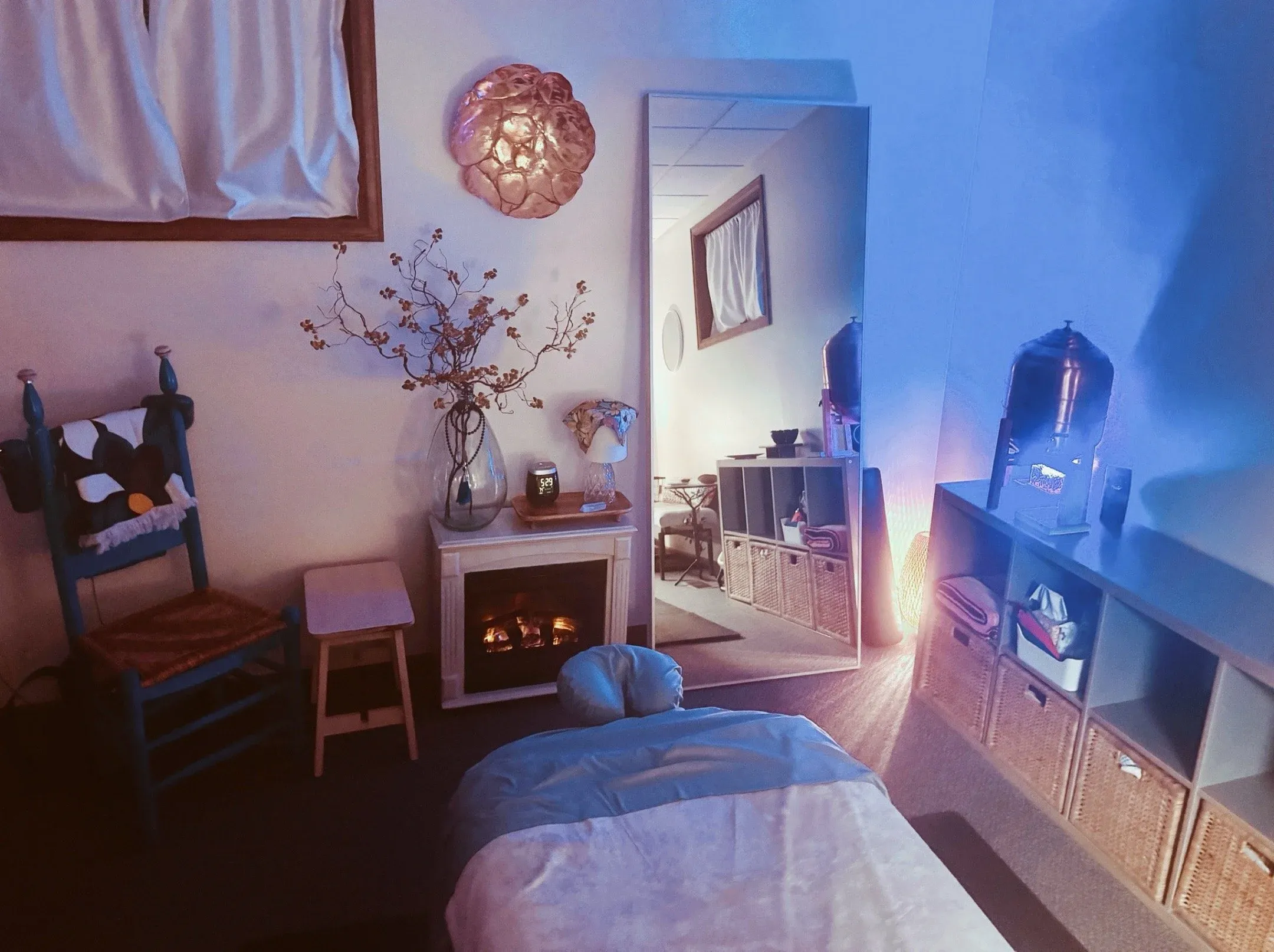
Not "light massage." The groundwork everything builds on.
Swedish has a reputation as the light, fluffy option. Done well, it's anything but.
It's the foundation of Western massage: rhythmic strokes that follow the muscles and encourage circulation, varied pressure, full-body coverage. With steady, intentional pressure - not featherlight - it shifts the body out of fight-or-flight and into rest-and-digest, easing the chronic low-grade stress most of us carry without noticing.
I use Swedish under almost every session - it warms tissue, settles the nervous system, and creates the conditions for deeper work to actually take. And when the goal is simply recovery, sleep, and a calmer nervous system rather than a specific problem, it can carry a whole session on its own.
When Swedish is the right session.
Swedish is the right session more often than people realize. If your nervous system needs to come down, it's the most direct route there is.
High-stress weeks
When the week's been relentless and the low-grade activation is showing up in your sleep, your appetite, or your mood. Easing stress is the most-researched thing this work does.
Better sleep
When you're tired but wired and rest won't come - a brutal stretch at work, jet lag after travel, a nervous system that won't switch off. Slow, sustained work is one of the more reliable ways to nudge it back toward rest.
Recovery between training
An off-day between hard efforts. Lighter and more full-body than sports work - about easing overall soreness and helping the system recover, rather than chasing a specific pattern.
First-time guests
If you've never had bodywork and you want to find out what good massage actually feels like, this is the place to start - full-body, unhurried, nothing intimidating.
Rhythmic, full-body, intentionally unhurried.
Most Swedish sessions are 60 or 90 minutes. The rhythm and pace matter as much as the technique.
Intake (5 min)
How is your sleep, your stress, your training load? A few quick check-in questions to set the tone.
Warm the system
Rhythmic effleurage across the back, then arms and legs. The first 15-20 minutes is about settling the nervous system.
Full-body coverage
Work through the whole body with varied pressure - never just the back. Most clients are unaware of how much tension they carry in the legs and arms.
Come back slowly
Slow closing strokes and time to come back to the room before standing up. You should leave noticeably calmer than you arrived.
What people ask before booking.
Isn't Swedish just 'light' massage?
No. Swedish is a technique vocabulary, not a pressure level. Done well, it's rhythmic, full-body, and effective at shifting the nervous system out of fight-or-flight. Done badly, it's lotion on a back. The difference is the practitioner.
When should I book Swedish vs deep tissue?
If the goal is nervous-system reset and parasympathetic recovery, Swedish. If there's a specific pattern you're trying to move, deep tissue. Most sessions blend both - I'll bring whichever the body is asking for.
Is it okay to book Swedish if I am not stressed out?
Of course. Swedish is good for athletic recovery between hard training days, for chronic-stress maintenance even when nothing feels acute, and as a body literacy session if you want to reconnect with what your body is doing.
Will it help me sleep?
Often, yes. A 60- or 90-minute Swedish session settles the nervous system enough that many clients tell me they sleep noticeably better that night.
Two natural companions.
Swedish blends with almost every other modality - these two most of all.
Book a Swedish session.
If 'I just want to settle my nervous system' is the goal, this is the right session. Tell me when you book.